
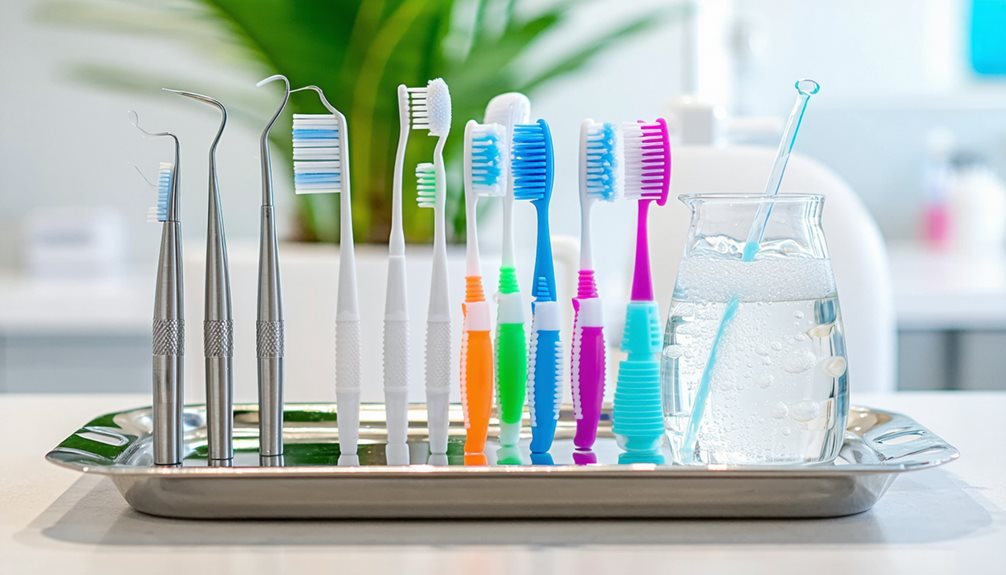
Effective non-surgical periodontal care involves several evidence-based strategies. Begin with biannual professional dental cleanings to manage supragingival and subgingival plaque. Implement scaling and root planing (SRP) to alleviate gingival inflammation and decrease pocket depth. Consider antimicrobial treatments for targeted bacterial reduction within the periodontal pockets. Incorporating laser therapy can enhance tissue regeneration while minimizing postoperative discomfort. Consistent oral hygiene practices, including interdental cleaning and antiseptic mouthwashes, are essential for maintaining periodontal health. Finally, a balanced diet rich in antioxidants and stress management techniques further support gum health. For a thorough understanding, let’s explore each component further.
Professional Dental Cleanings
Professional dental cleanings, also known as prophylaxis, are a critical component of maintaining periodontal health and preventing the progression of periodontal disease. This preventive care procedure is essential in disrupting the biofilm and removing dental plaque, a complex microbial community that adheres to the tooth surface.
Prophylaxis focuses on both supragingival and subgingival plaque control, effectively reducing the bacterial load that contributes to periodontal inflammation and tissue destruction.
Regular professional cleanings enhance dental hygiene practices by addressing areas that are difficult to reach with routine home care. Evidence-based guidelines suggest that prophylaxis should be performed biannually; however, individual risk assessment may necessitate more frequent interventions.
The role of dental hygienists in this process is paramount, as they employ advanced techniques and tools to meticulously clean and polish the teeth, thereby preventing calculus formation and promoting oral health.
Incorporating innovative technologies such as ultrasonic scalers and air polishing devices further elevates the efficacy of professional cleanings, contributing to superior preventive care outcomes.
These technologies align with the modern emphasis on minimally invasive procedures, ensuring a thorough approach to maintaining periodontal health and fostering a proactive stance against periodontal disease progression.
Scaling and Root Planing
Scaling and root planing are fundamental non-surgical periodontal therapies aimed at removing plaque and tartar from below the gumline to mitigate periodontal disease progression.
The primary benefits include reduced gingival inflammation and pocket depth, facilitating improved periodontal health when combined with appropriate aftercare and maintenance strategies such as regular oral hygiene and professional monitoring.
While the procedure is generally safe, potential risks such as transient tooth sensitivity and gingival discomfort necessitate careful patient education and adherence to post-treatment guidelines to optimize outcomes.
Procedure Benefits and Goals
Numerous studies have demonstrated the efficacy of scaling and root planing (SRP) in managing periodontal disease, providing both therapeutic and preventive benefits. As a cornerstone among non-surgical techniques, SRP focuses on removing dental plaque and calculus from the root surfaces below the gum line. This procedure is crucial in halting the progression of periodontal disease, thereby preserving gum health and preventing tooth loss.
The goal is to disrupt the biofilm harboring pathogenic bacteria, thereby reducing inflammation and pocket depth, ultimately fostering an environment conducive to periodontal regeneration.
Clinically, the benefits of SRP extend beyond immediate reduction in bacterial load. By meticulously cleaning the root surfaces, SRP minimizes the risk of systemic complications linked to chronic periodontal disease, such as cardiovascular disease and diabetes. The procedure also promotes reattachment of the gingival tissues, enhancing overall oral health and stability.
Innovative advancements in SRP, such as the use of ultrasonic instruments and laser-assisted techniques, further augment its effectiveness, ensuring thorough debridement with reduced patient discomfort.
Aftercare and Maintenance Tips
Following scaling and root planing (SRP), effective aftercare and maintenance are essential in sustaining periodontal health and ensuring the long-term success of the treatment.
Aftercare routines should be meticulously adhered to, as they play a vital role in preventing the recurrence of periodontal pathogens and promoting gingival healing. Post-SRP, patients are advised to follow a tailored oral hygiene regimen, which includes the use of antimicrobial mouth rinses and interdental cleaning aids. This regimen is designed to minimize biofilm accumulation and reduce inflammatory responses.
Maintenance schedules are equally important, involving regular periodontal evaluations and professional cleanings at intervals determined by the individual’s periodontal status and response to initial therapy. Evidence-based guidelines suggest that these follow-up appointments should occur every three to four months to effectively monitor and manage periodontal stability.
To optimize results, consider these key aftercare practices:
-
Daily Oral Hygiene: Employ a soft-bristled toothbrush and fluoride toothpaste to gently clean teeth and gums.
-
Interdental Cleaning: Utilize floss or interdental brushes to reach areas between teeth that regular brushing may miss.
-
Regular Dental Visits: Adhere to maintenance schedules for professional assessments and cleanings, essential for early detection of potential issues.
Potential Risks and Precautions
While diligent aftercare and maintenance are pivotal in sustaining periodontal health post-SRP, it is equally important to be aware of the potential risks and precautions associated with scaling and root planing. This non-surgical intervention, aimed at debridement of subgingival deposits, can potentially lead to transient adverse effects. A thorough risks assessment is imperative before the procedure to identify factors such as bleeding disorders, systemic conditions like diabetes, and medication use that may complicate healing.
One of the primary concerns is transient tooth sensitivity, often due to the exposure of dentin following calculus removal. To mitigate this, the application of desensitizing agents or fluoride varnish may be recommended.
Additionally, there is a risk of soft tissue trauma which necessitates precision in instrumentation and adherence to precautionary measures, such as employing local anesthesia for patient comfort.
Patients must be advised on the potential for post-procedural discomfort and the importance of adhering to a prescribed oral hygiene regimen. The use of antimicrobial mouth rinses may be recommended to reduce microbial recolonization.
Ultimately, personalized care plans and patient education remain integral to minimizing risks and ensuring successful outcomes in periodontal therapy.
Antimicrobial Treatments
A cornerstone of non-surgical periodontal care, antimicrobial treatments play a critical role in managing and reducing the bacterial load within the periodontal pocket. Utilizing antimicrobial agents, these treatments have been shown to enhance treatment efficacy, serving as an essential adjunct to mechanical debridement.
The strategic application of these agents targets specific pathogens, thereby mitigating inflammation and promoting periodontal health.
Evidence-based practice suggests that incorporating antimicrobial treatments yields several benefits:
-
Localized Delivery: Antimicrobial agents can be delivered directly into the periodontal pocket, ensuring higher concentrations at the site of infection, which enhances therapeutic outcomes and minimizes systemic exposure.
-
Targeted Action: Different antimicrobial agents possess specific spectrums of activity, allowing for tailored treatment plans that address the unique microbial profiles of individual patients, consequently optimizing treatment efficacy.
-
Sustained Release Formulations: Innovative formulations, such as gels and fibers, provide prolonged release of antimicrobials, offering continuous antimicrobial action and reducing the need for frequent applications.
These advancements in antimicrobial treatments exemplify the integration of precision medicine into periodontal therapy, reflecting a shift towards more personalized care.
As research progresses, the development of novel antimicrobial agents and delivery systems promises to further enhance the effectiveness of non-surgical periodontal interventions, driving the field towards innovative solutions.
Laser Therapy Options
Laser therapy represents a minimally invasive approach in periodontal treatment, offering benefits such as reduced bleeding, decreased postoperative discomfort, and enhanced tissue regeneration.
The procedure typically involves the use of a specific wavelength to selectively target and remove inflamed periodontal tissue while preserving healthy structures.
Clinical studies have demonstrated that laser therapy can be an effective adjunct to traditional scaling and root planing, improving overall periodontal health outcomes.
Benefits of Laser Therapy
Incorporating laser therapy into periodontal care offers several distinct advantages over traditional treatment methods. This modern approach enhances clinical outcomes through its minimally invasive nature and precision. The laser therapy advantages are supported by evidence demonstrating its capacity to effectively target and remove diseased tissue while preserving healthy structures.
Patients seeking innovative solutions will appreciate the numerous benefits of this cutting-edge technology, which include:
-
Reduced Discomfort and Healing Time****: Laser treatment effectiveness is marked by reduced postoperative pain and quicker recovery periods. Patients experience less bleeding and swelling, leading to an overall more comfortable experience compared to conventional surgical procedures.
-
Bacterial Reduction: The bactericidal properties of laser therapy greatly decrease pathogenic bacteria within periodontal pockets.
This reduction in microbial load enhances the effectiveness of periodontal debridement, promoting healthier tissue regeneration and periodontal stability.This may also be of interest to you -
Precision and Selectivity: Laser technology allows for enhanced precision, selectively targeting diseased tissues while minimizing damage to adjacent healthy areas. This precision fosters a more predictable treatment outcome and augments the practitioner’s ability to manage complex periodontal conditions effectively.
Treatment Procedure Overview
For those considering laser therapy as part of their periodontal treatment, understanding the various procedural options is essential. Laser therapy, as a non-surgical technique, offers an advanced approach to managing periodontal disease, targeting infected tissues with precision.
Among the prevalent laser options, diode lasers and Nd:YAG lasers are frequently integrated into treatment protocols. Diode lasers are particularly effective in soft tissue applications, utilizing wavelengths that are adept at bacterial reduction and promoting biostimulation. Nd:YAG lasers, on the other hand, are valuable for their dual ability to ablate diseased epithelium while concurrently achieving hemostasis.
Prior to initiation of laser therapy, thorough periodontal evaluations are conducted to assess the extent of periodontal pathology and to tailor the treatment plan. Clinicians utilize diagnostic tools such as digital radiographs and periodontal probing to establish baseline measurements.
The laser procedure itself involves minimal discomfort, with the laser fiber being inserted into periodontal pockets to eradicate pathogenic bacteria and promote tissue regeneration. The precision of laser technology minimizes collateral damage to adjacent healthy tissues, thereby enhancing healing outcomes.
Importantly, post-operative care includes monitoring tissue response and evaluating the effectiveness of the intervention during follow-up visits.
Laser therapy represents a promising frontier in non-surgical periodontal care, merging innovation with clinical efficacy.
Oral Hygiene Practices
Maintaining ideal oral hygiene is a cornerstone of effective non-surgical periodontal care, requiring a meticulous approach to daily dental practices. Rigorous oral hygiene is paramount in mitigating periodontal disease progression, ensuring favorable outcomes. Evidence-based strategies underline the importance of personalized flossing techniques and mouthwash effectiveness in oral health maintenance.
-
Flossing Techniques: Employing advanced and tailored flossing techniques is critical. Studies indicate that using interdental brushes or water flossers enhances plaque disruption in periodontal pockets, demonstrating superior results compared to traditional flossing. These innovative tools allow for precision cleaning in areas where traditional methods may falter.
-
Mouthwash Effectiveness: The adjunctive use of antiseptic mouthwashes enhances oral hygiene regimens. Clinical trials reveal that formulations containing chlorhexidine or essential oils markedly reduce bacterial load and inflammation. These findings underscore the importance of integrating mouthwash into daily routines for thorough periodontal care.
-
Regular Dental Check-Ups: Consistent professional evaluations play an instrumental role in sustaining periodontal health. Dental professionals provide critical insights and modifications to individual hygiene practices, reinforcing the effectiveness of self-care routines.
Incorporating these evidence-based strategies elevates oral hygiene practices, fostering innovative approaches in non-surgical periodontal therapy. Precision in these daily practices not only sustains periodontal health but also propels advancements in dental care methodologies.
Dietary and Lifestyle Changes
While rigorous oral hygiene practices form the foundation of non-surgical periodontal care, dietary and lifestyle changes also play a significant role in managing periodontal health.
Evidence suggests that nutrient balance is essential in maintaining periodontal tissue integrity and mitigating inflammation. A diet rich in antioxidants, omega-3 fatty acids, and vitamins C and D can enhance the body’s ability to combat oxidative stress and inflammatory responses associated with periodontal disease.
Vitamin C, in particular, is important for collagen synthesis and repair, thereby supporting gingival health. Omega-3 fatty acids possess anti-inflammatory properties that may reduce periodontal pocket depth and attachment loss.
Moreover, lifestyle modifications, particularly stress management, are instrumental in periodontal care. Chronic stress is known to exacerbate periodontal disease progression by impairing immune function and increasing cortisol levels, which can negatively impact periodontal tissue.
Implementing stress-reduction techniques such as mindfulness, yoga, and adequate sleep can bolster immune response and improve overall periodontal outcomes.
Frequently Asked Questions
How Does Stress Influence Periodontal Health?
Stress negatively impacts periodontal health by exacerbating inflammation and impairing immune response. Effective stress management, combined with rigorous oral hygiene practices, is essential to mitigate these effects and maintain ideal periodontal conditions, promoting innovative approaches in dental care.
Can Genetics Affect My Risk for Periodontal Disease?
Genetic predisposition and hereditary factors greatly contribute to periodontal disease risk. Clinical studies reveal that specific gene variants can influence individual susceptibility, affecting inflammatory response and periodontal tissue integrity, hence necessitating personalized, innovative approaches for effective periodontal management and prevention.
Are There Natural Remedies to Support Periodontal Health?
Herbal treatments, such as aloe vera and green tea, along with oil pulling using coconut or sesame oil, have shown potential in supporting periodontal health. These methods may reduce inflammation and bacterial load, enhancing oral hygiene practices.
How Does Smoking Impact Gum Disease?
Smoking exacerbates gum disease by impairing blood flow and immune response, increasing susceptibility to periodontal pathogens. Nicotine effects hinder healing processes, making smoking cessation a critical component in innovative periodontal treatments and overall oral health improvement strategies.
What Role Do Medications Play in Periodontal Care?
Medications play a critical role in periodontal care by enhancing treatment efficacy. Different medication types, such as antibiotics and anti-inflammatories, target microbial pathogens and inflammatory responses, thereby improving clinical outcomes and supporting innovative, non-surgical periodontal therapies.
Conclusion
In summary, non-surgical periodontal care encompasses a thorough approach involving professional dental cleanings, scaling and root planing, antimicrobial treatments, laser therapy, and evidence-based oral hygiene practices. These interventions are designed to manage periodontal disease effectively, minimize inflammation, and promote periodontal health. Additionally, dietary and lifestyle modifications play an essential role in supporting periodontal therapy outcomes. Employing a combination of these strategies can greatly enhance periodontal health, reduce the risk of disease progression, and improve overall oral health status.

